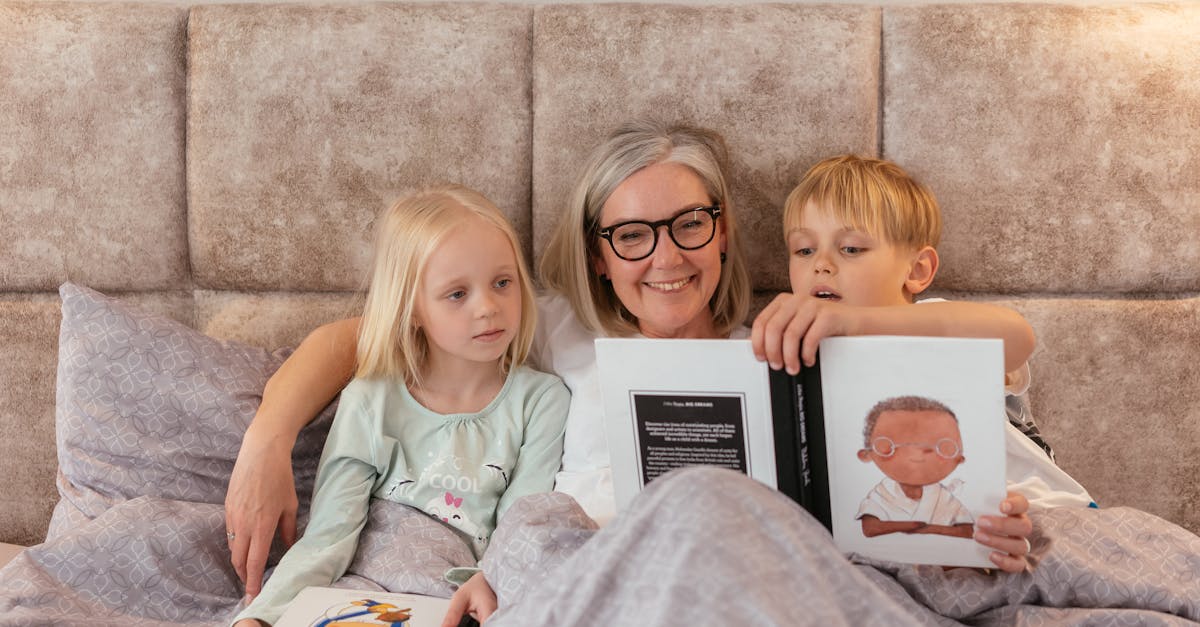
In 11 of the last 14 memoir books we built at Fireside, the grandchild pressed play before they turned a single page. They had the printed transcript in their hands. They opened the voice recording instead.
That small choice is the whole argument of this guide. A transcript keeps the account of what happened. A recording keeps the person who lived it. When you are trying to pass a generational identity family story down to someone who will outlive the storyteller, the difference is not cosmetic. It is the difference between a fact and a presence.
Most advice on family stories tells you to write things down. We work the other way around. At Fireside we use what we call the Voice-First Memory Method: capture the sound first, let the transcript follow, and treat the elder’s actual voice as the primary artifact. It pairs naturally with everyday family storytelling that bonds you with the kids while the elder is still here. This guide walks through that method, why it holds identity better than text, and how to start this week.
Why a Voice Holds Identity That Text Drops
Your sense of self is partly inherited. Psychologists Marshall Duke and Robyn Fivush at Emory University built a 20-item measure called the “Do You Know?” scale, which asks children questions they could only answer if someone told them: how their parents met, where their grandparents grew up, what hardships the family survived. Children who scored high showed higher self-esteem, a stronger sense of control over their lives, and more resilience when things went wrong. During the early pandemic, Emory researchers reported the same pattern held: kids who knew their family stories weathered stress better.
Here is what the scale measures that a written record misses. The knowledge that protects a child is not the date of an event. It is the felt sense that the family endured. This is the engine behind how generational identity builds family heritage, one remembered hardship at a time. A grandmother saying “we had nothing that winter” carries weight in print. The same five words, in her voice, with the pause before “nothing,” carry the winter itself.
Text flattens three things that voice keeps:
- Pace. Where someone slows down tells you what still hurts or still delights.
- Emotion. A laugh mid-sentence is data. A transcript writes “(laughs)” and loses the laugh.
- Identity markers. Accent, dialect, the specific way a person says your name. These are the fingerprints of belonging.
A generational identity family story is not just information about ancestors. It is the evidence a young adult uses to answer “who am I, and where do I come from.” Voice carries that evidence intact. If that question is what brought you here, our step-by-step guide to your family heritage and ancestral identity is built for exactly that search.
Voice First vs Text First: How the Two Methods Compare
Both approaches preserve something. They do not preserve the same thing, and the gap matters most when the storyteller is gone.
| Dimension | Text-first (write it down) | Voice-first (record, then transcribe) |
|---|---|---|
| What survives | The account of events | The person and the events |
| Emotional fidelity | Low. Tone is described, not heard | High. Tone is the recording |
| Effort for the elder | Higher. Writing is work | Lower. Talking is natural |
| Searchability later | High | High (transcript is generated from audio) |
| Risk if elder declines | You lose the chance entirely | You can still capture a short voice note |
| Best for | Dates, names, family trees | Personality, values, the “feel” of a person |
The pros of voice-first: the elder does less work, the grandchild gets more, and you still get a searchable transcript as a byproduct. The con people fear is that audio is harder to skim. In practice the transcript solves skimming, and almost no one skims the part that mattered to them. They listen to it.
Steps to Start the Voice-First Memory Method
You do not need a studio or a historian. You need a phone and twenty quiet minutes.
- Pick one elder and one theme. Do not try to capture a whole life in one sitting. Choose a single thread: “the year you moved,” “how you met,” “the hardest season we got through.”
- Record audio, not notes. Open a voice recorder or a tool built for this and hit record before you ask anything. Let the first answer ramble. The ramble is where the real story lives.
- Ask open questions, then stay quiet. Silence does more work than a follow-up. Let them fill it.
- Capture identity moments, not just facts. When their voice catches, that is the keeper. Mark the timestamp.
- Transcribe after, never instead. Generate the transcript from the recording so you have both. The audio stays primary.
- Share the recording first. When you send it to family, send the audio. Let them meet the person before they read the summary.
That sequence is the method. Audio leads, text supports, and the human voice stays at the center the entire time.
Pre-Session Checklist
Tick these off before you sit down, and you will leave with identity, not just a resume of dates:
- Identified one elder and one concrete theme for this session
- Confirmed the phone or recorder is charged and has storage space
- Found a quiet room and turned off anything that hums
- Prepared one open question to start, not a list
- Ready to let silences sit without filling them
- Planned where to save and back up the file after the session
A Practitioner’s Note on the Honest Version
“Stories in families are colossally important. Every family has stories: some funny, some proud, some embarrassing, some shameful. Knowing them is proof of belonging to the family.”
- Salman Rushdie, novelist and essayist
I keep that line in front of me during interviews. In our memory-book work at Fireside, I have seen families try to record only the highlight reel: the wins, the proud moments, the clean version. Those books read fine and move no one. The recordings people replay are the ones where the elder admitted the year they almost lost the house, or laughed about a fight that became a family joke. The shameful and the funny are not flaws to edit out. They are the proof of belonging Rushdie names. Voice captures the honest version because tone is hard to fake. The catch in a throat does not lie.
“The intergenerational transmission of family stories is one of the most powerful mechanisms we have for building a child’s sense of self. Children who know where they came from show measurably stronger identity coherence.”
- Dr. Robyn Fivush, Professor of Psychology at Emory University
A Tool That Fits the Method
If you want the Voice-First Memory Method without managing files and follow-ups yourself, Fireside is built for exactly this. Each week it sends one story prompt to your elder. They answer at their own pace, in their own voice. Over time those answers compile into a hardcover book, and critically, the original voice recordings are preserved alongside the transcript, not discarded after transcription. That last part is the difference between Fireside and transcript-only services like Storyworth or Remento: the recording stays, so the person stays. You get the searchable text and the actual sound of the person who told it.
When to Start, by Life Phase
Timing changes what you should capture. Here is the progression we see across projects:
- In your twenties and thirties: capture origin stories while elders are sharp. How the family started, where it came from, the founding decisions.
- When a parent retires or hits their sixties: capture working-life stories and the lessons. This window is wide. Use it.
- After a health scare or in the eighties and beyond: capture short, frequent voice notes. Five minutes beats a planned hour that never happens.
- The year after a loss: play the recordings you have. This is when families discover whether they kept the person or only the paperwork.
The pattern is simple. Record earlier than feels urgent, and record by voice, because the window for capturing a living voice closes without warning. Once you have a few sessions banked, our guide on how to collect, organize, and share family stories helps you turn them into something the whole family can hold.
Frequently Asked Questions
Why record a family story as audio instead of writing it down?
Audio preserves tone, pace, accent, and emotion, the parts of identity that text describes but cannot reproduce. A transcript keeps the account of an event. The recording keeps the person who lived it. You can always generate a transcript from a recording later, but you cannot recover a voice from a page.
Does knowing family stories actually affect a child’s wellbeing?
Research from Marshall Duke and Robyn Fivush at Emory University found that children who knew more about their family history scored higher on self-esteem and resilience and coped better with stress. Their “Do You Know?” scale was a strong predictor of a child’s emotional health.
What is the Voice-First Memory Method?
It is the approach we use at Fireside: record the elder’s voice first, ask open questions and let silences sit, transcribe afterward, and treat the audio as the primary keepsake rather than the text. The goal is to keep the person, not just the facts.
How is this different from Storyworth or Remento?
Those services center on the written compilation. Fireside preserves the actual voice recording alongside the transcript instead of discarding the audio after transcription, so the storyteller’s real voice stays part of the keepsake.
How long does it take to capture a meaningful story?
A single focused session runs about twenty to thirty minutes on a phone. Short, repeated voice notes work even better than one long sitting, especially with older or tired storytellers.
Start Your Voice-First Story This Week
Pick one elder and one question you have always wanted answered. Record the audio before you record anything in writing. Ask the question, then stay quiet and let them talk. Save the file and play it back once that night so you know it captured. Try Fireside if you want the weekly prompts and the hardcover handled for you, with the original voice preserved instead of thrown away. Start now, while the voice you want to keep is still here to record.